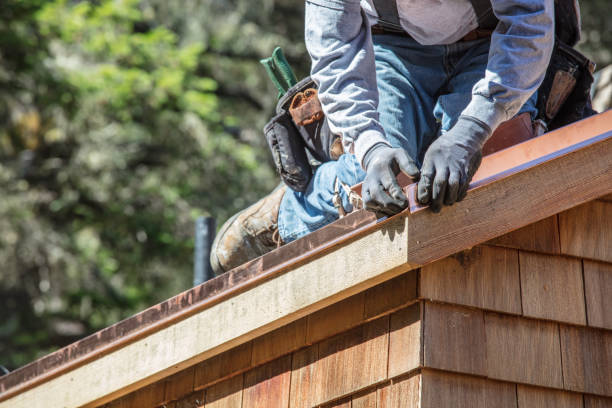
Replacing a roof is a significant investment for any homeowner, and understanding the costs involved can make the process more manageable. The price of installing a new roof or replacing an old one varies widely depending on several factors. Below, we’ll break down these factors and provide insights into how they influence overall expenses.
Average Cost of Roof Replacement
The cost of installing a new roof typically ranges from $5,000 to $15,000 in most residential projects. However, this range can vary significantly based on:
– The size of the roof
– The type of roofing materials used
– Labour rates in your area
| Material Type | Cost per Square Meter ($) | Estimated Lifespan |
| Asphalt shingles | 50 – 100 | 20 – 30 years |
| Metal roofing (e.g., steel or aluminum) | 120 – 250 | 40 – 70 years |
| Slate tiles | 300 – 500 | 75+ years |
| Clay or concrete tiles | 150 – 300 | 50+ years |
| Wood shakes | 100 – 200 | About 30 years |
Key Factors That Impact Roofing Costs
- Roof Size and Complexity
Larger roofs require more materials and labor hours to complete. Additionally, complex designs with steep pitches or multiple angles can increase costs due to the added difficulty of installation. - Material Selection
Roofing materials vary greatly in price. While asphalt shingles are affordable and widely used, premium options like slate or metal are more expensive but offer greater longevity. - Labour Costs
Professional roofing contractors charge differently depending on location and experience level. Labour costs generally range between $50 to $150 per hour. - Roof Accessibility
If your roof is difficult to access due to height or surrounding obstacles (trees, tight spaces), contractors may charge extra for equipment like scaffolding or specialized tools. - Removal of Old Roofing Material
Tearing off an existing roof adds time and disposal fees to the project cost. On average, removal fees can range from $1 to $5 per square foot. - Permits and Local Regulations
Depending on your location, you may need permits for new roof installation or replacement projects. Permit costs can vary between $150 and $500. - Weather Conditions During Installation
Projects performed during extreme weather conditions may result in higher labour charges due to safety precautions and extended timelines.
Tips for Managing Roof Replacement Costs
- Obtain at least three quotes from reputable contractors to compare pricing.
- Choose materials that balance upfront costs with long-term durability.
- Consider seasonal discounts—roofing companies often offer lower rates during off-peak seasons like late winter or early spring.
- Properly maintain your roof over time to avoid premature replacement expenses.
By understanding these cost factors ahead of time, you’ll be better equipped to budget effectively while ensuring quality workmanship for your roofing project.
Checklist for Hiring Roofing Contractors Saint Michael MN to Install a New Roof Professionally
Hiring the right roofing contractor is critical to ensuring your new roof is durable, expertly installed, and fits within your budget. A well-installed roof not only protects your home but also adds value and aesthetic appeal. Below is a comprehensive checklist you can follow when selecting and hiring a professional roofing contractor.
Find a Trusted Roofing Repair Company Saint Michael MN Can Rely On
- Ask for recommendations from friends, family, or neighbors.
- Check online reviews on trusted platforms like Google Reviews, Yelp, or Angie’s List.
- Verify credentials through local business directories or professional roofing associations.
How to Verify Credentials and Licensing for a Roofing Company Saint Michael MN
Before hiring any contractor, ensure they have the proper qualifications to work on your roof. This step is essential to avoid legal complications or poor workmanship.
- Licensing: Confirm that the contractor is properly licensed in your state or municipality.
- Insurance: Ensure they have liability insurance as well as workers’ compensation coverage.
- Certifications: Look for additional certifications from organizations like GAF, CertainTeed, or Owens Corning.
Discover Expert Roofing Service Saint Michael MN for Your Needs
- How many years have they been in business?
- Have they worked on projects of similar size and scope?
- Do they have experience with energy-efficient options if that’s a priority for you?
Compare Roofing Repair Saint Michael MN Quotes Today
| Contractor Name | Estimated Cost | Materials Included? | Warranty Provided? | Estimated Timeframe |
| Contractor A | $10,000 | Yes | 10 years | 1 week |
| Contractor B | $12,500 | Yes | 15 years | 5 days |
| Contractor C | $9,800 | No | 5 years | 2 weeks |
Be wary of quotes that are significantly lower than others; this could indicate subpar materials or hidden fees.
Checking References and Reviews for Roofing Saint Michael MN
- Quality of work
- Adherence to timelines
- Communication throughout the project
- Cleanup after the job was completed
Additionally, review their portfolio of completed projects to assess craftsmanship.
Explore Warranty Options for Roof Installation Saint Michael MN
- Manufacturer’s Warranty: Covers defects in roofing materials.
- Workmanship Warranty: Covers errors made during installation.
Ensure all warranty details are clearly outlined in writing before committing to any agreement.
Payment Terms to Know When Hiring Roofers Saint Michael MN
- What percentage deposit is required?
- What milestones trigger subsequent payments?
- Is there a final inspection before releasing the last payment?
Avoid cash payments; instead, use methods that provide clear documentation such as checks or electronic transfers.

Evaluate Their Communication Skills
- Are they responsive to calls/emails?
- Do they explain technical details clearly?
- Are they willing to address all concerns without hesitation?
Final Agreement: Review Contracts Thoroughly
- Scope of work
- Total cost (including labor/materials)
- Start and completion dates
- Payment schedule
- Detailed warranty coverage
By following this checklist step-by-step when hiring a roofing contractor, you increase the likelihood of receiving high-quality service that meets your needs and expectations while staying within budget limits.
Checklist for Hiring Roofing Contractors to Install a New Roof Professionally
Finding the right roofing contractor is essential to ensure the longevity, safety, and aesthetic appeal of your new roof. A professional roofing job not only protects your home but also adds value to your property. Below is a comprehensive checklist to help you hire a skilled and reliable roofing contractor.
Research and Shortlist Potential Contractors
Start by compiling a list of reputable contractors in your area. Use online reviews, recommendations from friends or family, and local business directories.
- Check credentials: Verify that the contractor is licensed and insured.
- Look for experience: Contractors with years of experience often deliver better results.
- Browse reviews: Read reviews on platforms like Google, Yelp, or Better Business Bureau (BBB).
- Ask for referrals: Speak to past clients about their experiences.
Verify Licenses and Certifications
Ensure that potential contractors have the required qualifications. This helps confirm they are trained professionals who follow industry standards.
| License/Certification | Purpose |
| State Contractor’s License | Indicates legal authority to perform roofing work. |
| Insurance Coverage | Protects against liability in case of accidents. |
| Manufacturer Certifications | Shows expertise in installing specific products. |
Request Multiple Quotes
Obtain at least three quotes from different contractors to compare pricing and services offered.
- Cost of materials
- Labor charges
- Warranty information
- Estimated timeline
Be wary of extremely low estimates as these may indicate substandard materials or workmanship.
Review Contracts Thoroughly
Before signing any agreement, carefully review all terms outlined in the contract.
Key elements to look for: – Payment schedule (avoid upfront full payment) – Project timeline with start and completion dates – Details about warranties (both material and labor) – Cleanup responsibilities post-installation
Assess Communication Skills
A professional contractor should maintain transparent communication throughout the project. During initial consultations: – Ask questions about their process and materials. – Gauge their willingness to provide detailed answers. – Observe how they handle concerns or issues.
Good communication indicates reliability and professionalism.
Confirm Warranty Options
Reputable contractors typically offer warranties on both materials and labor. Clarify: 1. How long the warranty period lasts. 2. What is covered under each warranty type. 3. Steps to follow if problems arise post-installation.
Inspect Past Work Portfolio
Request examples of previous projects similar to yours. A trustworthy contractor should be able to showcase their completed work through pictures or site visits.
Focus on: – Quality of craftsmanship
– Variety of roof types installed
– Attention to detail
Questions To Ask Potential Contractors
- Are you licensed and insured?
- How long have you been in business?
- Can you provide references from past clients?
- What is your approach if unexpected issues arise during installation?
- Do you clean up after completing the job?
By asking these questions, you’ll gain insights into their expertise, reliability, and problem-solving capabilities.
Red Flags To Watch Out For
- Lack of proper licensing or insurance
- Reluctance to provide references or examples of work
- High-pressure sales tactics urging immediate decisions
- No clear written estimate before starting work
Hiring a professional roofing contractor requires careful evaluation at every stage—from research through signing contracts—to ensure quality workmanship that meets your expectations while protecting your investment for years ahead.
Understanding Roofing Labour Costs Per Square Meter and Typical Timescales for Roof Installations
When planning for a roofing project, understanding labour costs and project timelines is essential. Roofing costs can vary significantly based on the type of roof, materials used, complexity of the job, and location. Below is a detailed breakdown of factors that impact roofing labour costs per square meter and how long typical roof installations might take.

Key Factors Influencing Labour Costs Per Square Meter
- Roof Type:
Certain roof types require more labour-intensive processes. For instance: - Flat roofs generally involve less intricate work and are quicker to install.
- Pitched or sloped roofs demand more time and expertise due to their complexity.
- Material Selection:
The material you choose affects not just the material cost but also the effort required for installation: - Asphalt shingles are among the simplest to install, resulting in lower labour costs.
- Slate or tile roofs require specialist skills, which can increase labour charges.
- Roof Size:
Larger roofs naturally require more time to cover, increasing both material usage and labour hours. - Access Difficulty:
If your property has limited access for equipment or scaffolding, this could add to overall costs due to additional effort needed. - Condition of Existing Roof:
If your old roof needs extensive removal or repairs before new installation begins, you might incur higher labour fees.
Average Labour Costs per Square Meter
| Material | Labour Cost Range (per m²) | Complexity Level |
| Asphalt Shingles | $30-$50 | Low |
| Metal Roofing | $40-$70 | Medium |
| Slate Roofing | $80-$120 | High |
| Clay Tiles | $90-$130 | High |
| Flat Roof (EPDM/TPO) | $25-$45 | Low |
Note: These figures may vary depending on location and contractor experience.
Typical Timescales for Roof Installations
- Asphalt shingles: 1–2 days
- Metal panels: 2–3 days
- Asphalt shingles: 3–4 days
- Tile or slate roofing: Up to one week
- Could take one to two weeks depending on complexity.
Delays may arise if there’s inclement weather or unforeseen issues during the removal of the old roof.
Tips for Managing Labour Costs
- Obtain at least three quotes from reputable contractors.
- Verify contractor credentials and ask for references.
- Clearly define project scope in writing before work begins.
- Discuss potential delays or added costs upfront.
- Avoid cutting corners by hiring inexperienced contractors; this could lead to higher expenses in the long run due to poor workmanship.
Understanding these aspects helps homeowners plan better while ensuring that their new roof is installed efficiently within budget-friendly parameters. Proper research into costs ensures a smooth roofing experience every step of the way.
Step-by-Step Guide to Roofing Repair Contractors Saint Michael MN: What’s Involved in Fitting or Replacing a Roof
Replacing or installing a new roof is a significant project that requires careful planning and skilled execution. Whether you’re dealing with an outdated roof, structural damage, or you’re building new construction, understanding the steps involved in fitting or replacing a roof can help you prepare for the process. Below is a detailed step-by-step guide to what’s involved.
Step 1: Inspection and Assessment
Before any work begins, the first step involves inspecting the existing roof, if applicable, and assessing its condition. This helps determine whether a full replacement is necessary or if repairs would suffice.
Key considerations during the inspection include: – Identifying damaged shingles or tiles – Checking for water damage, leaks, or mold – Assessing the condition of flashing and underlayment – Evaluating structural integrity
A professional roofer will also consider factors like roof pitch and local weather conditions to recommend the best materials.
Step 2: Choosing Roofing Materials
| Material | Lifespan | Key Benefits |
| Asphalt Shingles | 20–30 years | Affordable, versatile |
| Metal | 40–70 years | Durable, energy-efficient |
| Slate | 50+ years | Long-lasting, natural appearance |
| Tile | 50–100 years | Fire-resistant, ideal for warmer climates |
Your contractor can guide you through this decision-making process based on your needs.
Step 3: Removing the Existing Roof
If replacing an old roof, removal of existing materials is necessary. This process includes: – Stripping shingles/tiles layer by layer – Removing underlying materials such as underlayment and flashing – Inspecting the decking (the wooden base) for rot or damage
Proper disposal of old roofing materials ensures compliance with local waste management regulations.
Step 4: Preparing the Roof Deck
Once stripped down to the deck: 1. Damaged areas are repaired or replaced. 2. A waterproof membrane (underlayment) is added to protect against moisture infiltration. 3. Flashing is installed around chimneys, vents, skylights, and valleys to prevent leaks.
This stage lays a solid foundation for your new roof.
Step 5: Installing New Roofing Materials
The primary roofing material—whether it’s shingles, metal panels, tiles—will now be installed. The installation follows these steps: – Starting from the lower edge of the roof and working upwards to ensure proper overlap. – Securing each material according to manufacturer guidelines. – Paying attention to ventilation systems (e.g., ridge vents) for optimal airflow in attics.
Professionals ensure each layer aligns perfectly while minimizing potential weak spots where water might infiltrate.
Step 6: Cleanup and Final Inspection
After installation: – The site is thoroughly cleaned of debris like stray nails or leftover materials. – Gutters are checked and cleared if clogged during work.
A final inspection ensures everything meets safety standards and aligns with agreed specifications. Any minor adjustments can be made at this stage before signing off on completion.
Replacing or fitting a roof requires expertise at every stage—from assessment to final inspections—to ensure long-term performance. Homeowners should work closely with experienced contractors who follow industry best practices throughout this complex but rewarding process.
- Expert Tips from Roofing Repair Contractors Saint Michael MN: What to Know Before Installing a New Roof
- How to Tell When to Call Roofing Contractors Saint Michael MN for a Roof Replacement
- Factors That Impact the Cost of Roofing Repair Service Saint Michael MN
- Exploring the Cost of Roof Replacement and Finding the Best Roofing Contractors Saint Michael MN
- Tips from Roofing Contractors Saint Michael MN: How to Determine the Age of a Roof and Its Replacement Timeline
- 4 Key Factors to Consider Before Hiring Roofing Contractors Saint Michael MN for Your New Roof
- Essential Tips from Roofing Repair Contractors Saint Michael MN for Long-lasting Roof Protection
- Finding the Best Roofing Contractors Saint Michael MN for Your Warehouse Re-Roofing